Jocke Hallberg, a Swedish amateur historian, specialized in Swedish born soldiers who fought, fell in the Great War and are buried at the Western Front in Belgium and France.
In the soldiers menu, you will now find that the list is updated with 100 names. I will now stop for a moment, in trying to find more Swedish soldiers who fell at the Western Front, and instead complete the summary of each soldier, to bring you the information of who they were, and where they fell, stated in the google earth project.
I am so deicated to this project, and for me it is very important to commemorate these men who moved from Sweden and participated on any side in The Great War, to fight for what they beleived was right and important. Thank you for following me on this trip.
Feel free to contact me if you have any questions.
… found through simple name search in the archives. It will be nice to take care of them and put their information up on this page. I am pretty sure it will be a lot mor to find through this quite heavy, but important, method. More will follow.
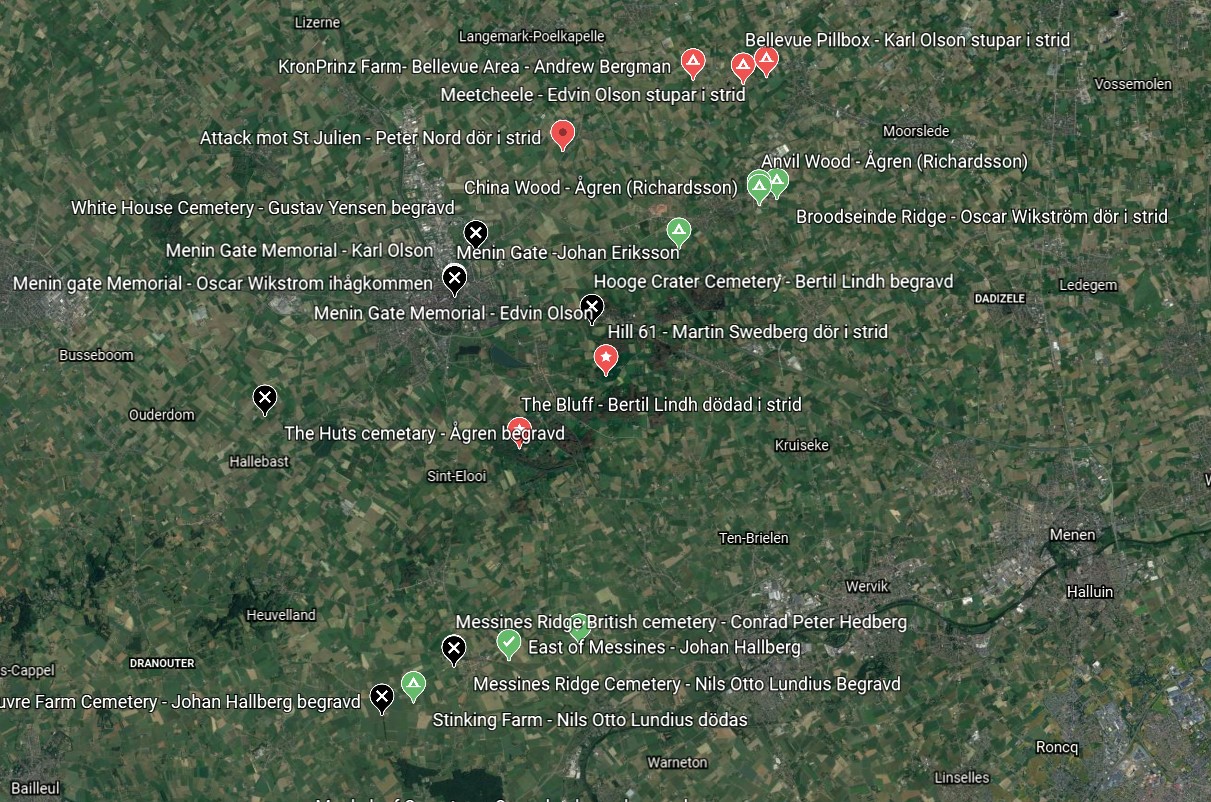
If the Covid-19 situation will be as it is now in Belgium I am planning to visit 11 of the places where the soldiers fell, which all are in the area east-south east of Ypres (Ieper). The trip will take place in the end of october, and following sites will be documented.
Karl Olson
Edvin Olson
Andrew Bergman
Tage Ågren (Richardson)
Peter Nord
Oscar Wikström
Martin Swedberg
Bertil Lindh
Conrad Hedberg
Johan Hallberg
Nils Otto Lundius
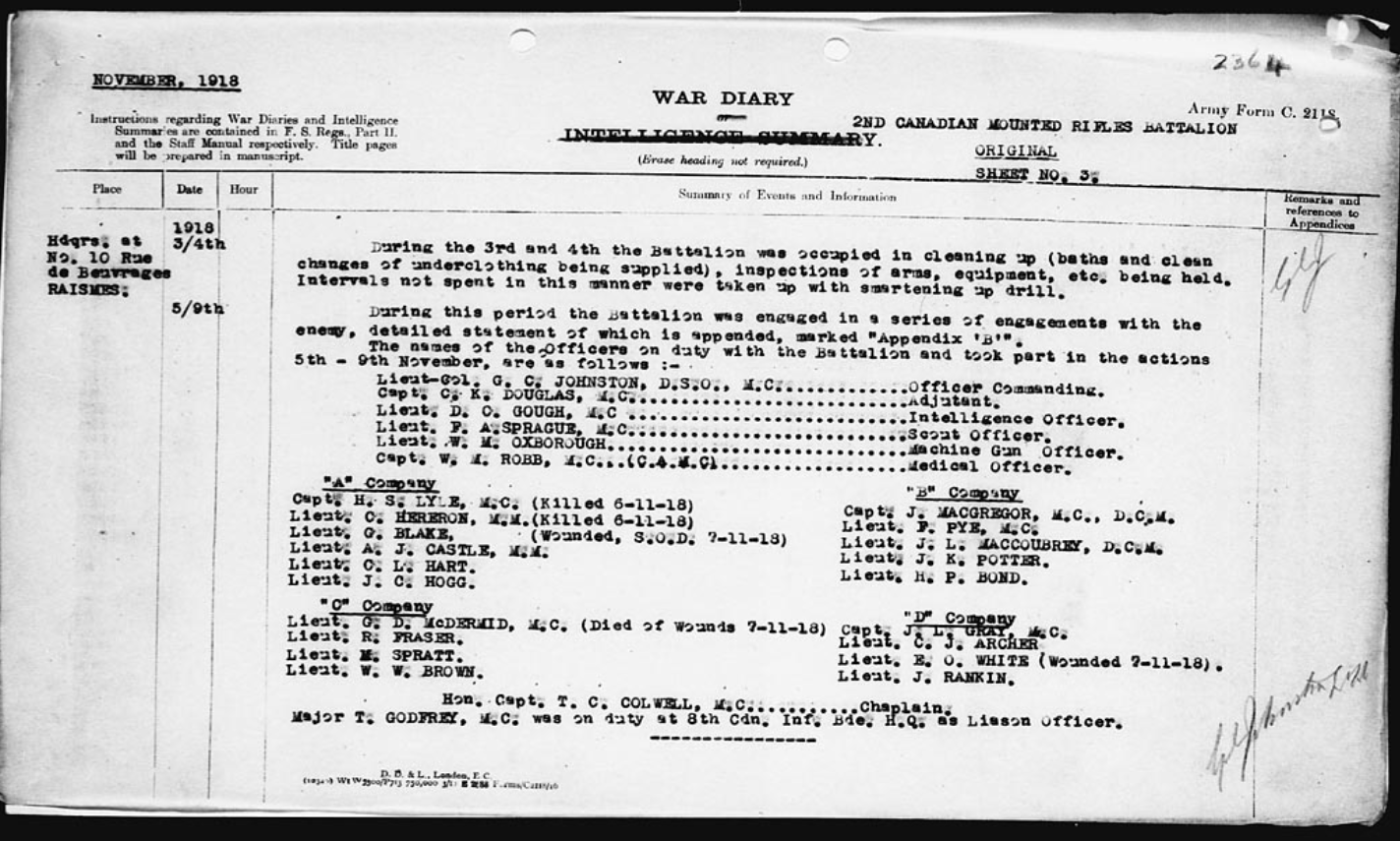
The places I will visit are the places where they are assumed to have been when they fell, it is more like an area than an exact spot, but based on names on trenches on the Trench Maps I have found together with notes from the diaries.
I have already been at the sites where they are commemorated or buried. The region in France that I was planning to visit at the same time, is closed for the moment, it will be done in next trip. In the future it will of course be possible to join me if wanted! 🙂
It is so nice to receive information from people who has discovered my page, about soldiers that I havent found information about earlier. The day has been exiting, filled with some extra research about this individual. Many thanks to Hans Rosenberg, who gave me this tip about Otto, and to Lars Gyllenhaal, who put information up on his facebook page about my homepage. I am honoured.
The soldier name was Otto Armfelt, and it shows up that he is a decendant to The former Swedish General Carl Gustav Armfelt, with a very remarkable history himself.
Some info in Swedish:
Ottos father:
Carl Johan Vilhelm (översiktstab 11, son av Carl Axel August, tab 32), född 1866-05-03 Prinsnäs. Ägde Hunnerstad och Markestad, bada i Höreda socken, Jönköpings län. Död 1904-12-08 på Hunnerstad. Gift 1891-12-31 i Eksjö med Charlotta Constanse Lotten Hultin, född 1868-08-14 i Ryssby socken, Kronobergs län, dotter av byråchefen och jägmästaren Otto Maximilian Hultin och hans 1:a fru Hedvig Lundquist. Död 1943-03-18 i eksjö (db nr 17).
Otto himself:
Otto Maurits Vilhelm, född 1895-04-09. Deltog i världskriget. Död 1918-11-05 »på Frankrikes slagfält» Höreda förs, Jönköpings län
On one page I today found info about a Swede that the author beleived was killed at The Western Front, and I thought I have found yet another person for my research.
I started to search for more info about this person and it showed up that he actually survived.
Robert Sundberg from Kalmar in Sweden emigrated to Australia and joined the AIF and was sent to the Western Front in 1916, and was taken on strenght 22nd of december 1916. He fought for the 15th Australian Infantry Bn, and was taken Prisoner of War the 3rd of may in 1917.
Initially he was declared “Missing in Action”, but was later confirmed to be a prisoner in the German Camp in Dülmen. He was repatriated back to England 19th of December 1918, and finally went back to Australia the 2nd of March in 1919.
From declared to have been killed in France, to actually been alive and sent back to Australia. Nice to straighten things out.
One source of information is to try to find diaries from archives, both digital and from material that are archived but not digitized, such as papers and books at different libraries and similar.
One example is the diaries from Sven Blom who fought for the French Foreign Legion in the beginning of the war, around 1914-1915. He later got frostbites on one of his feets, and continued to keep contact with the other Swedes in the Legion through letters, from the hospital.
Some parts of the diaries are digitized, but there are a lot more to find at Uppsala University. Below a picture from Svens diary.
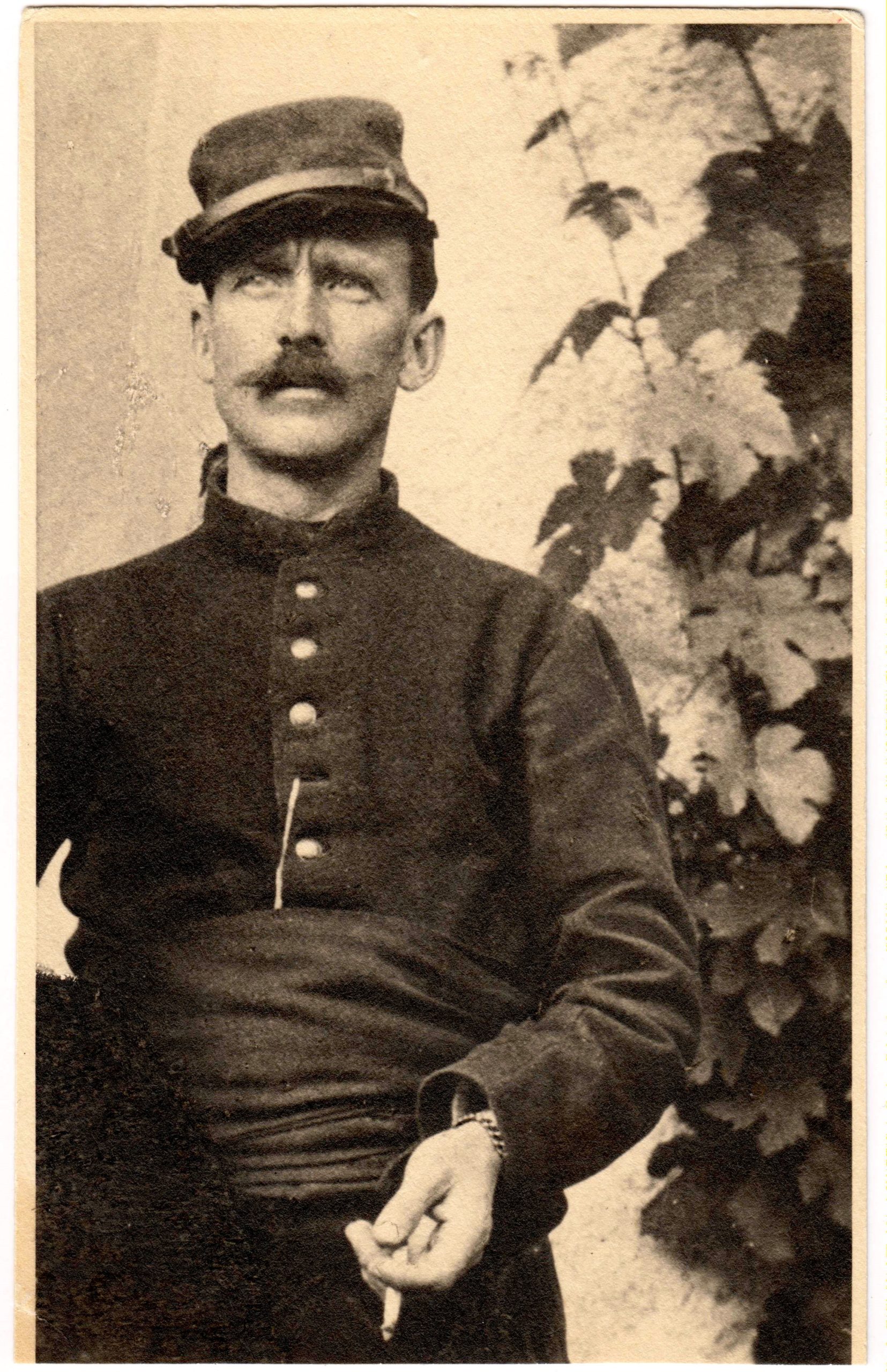
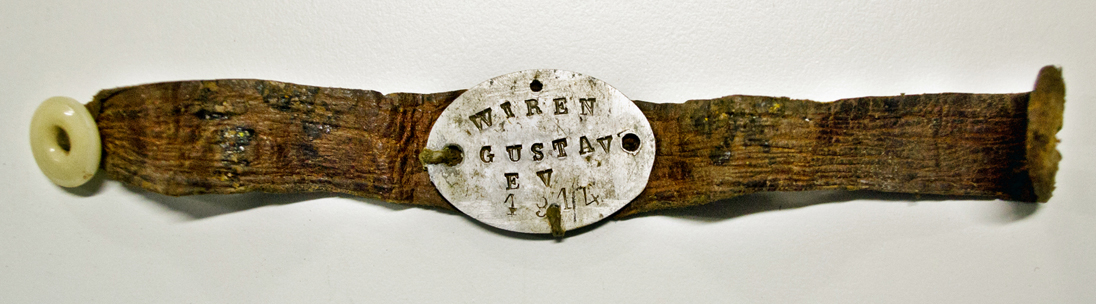
Just received more information about one of the soldiers, Gustav Wirén, who fought for the French Foreign Legion in WW1. So nice to make the picture more clear around the soldier, it comes alive in a way …
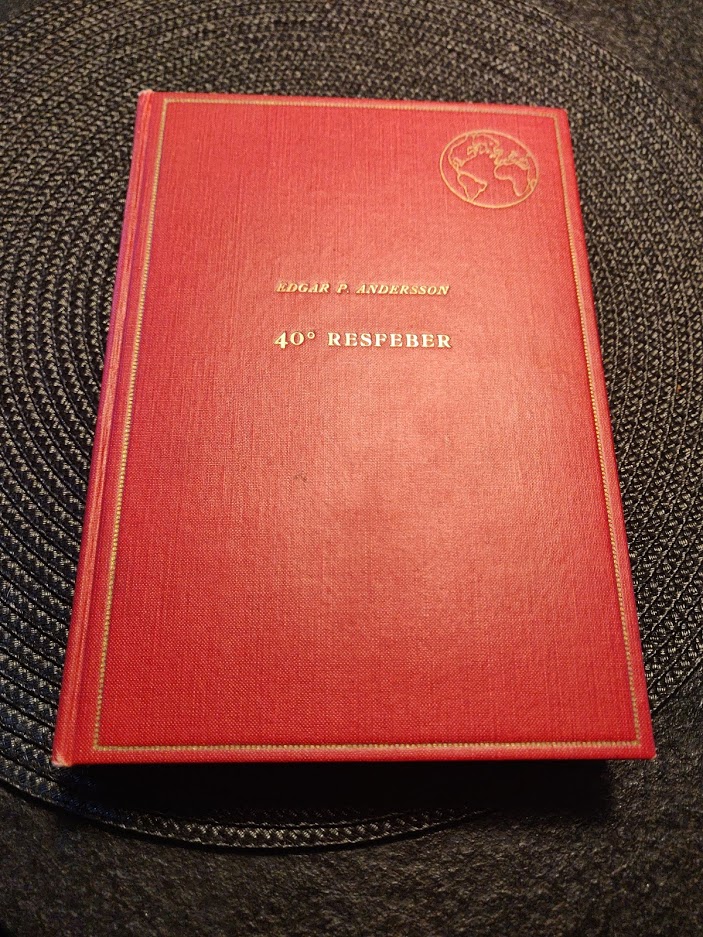
… I am also trying to find information about those Swedes who fought in The Great War, and survived. It is quite hard to find information about the soldiers who fought in The French Foreign Legion, but now and then I find books about some of them. One example is this book in Swedish, written by the soldier himself.
It is called “40 grader resfeber”, 40 degrees travel fever, if just translated as is it is, but probably another word and meaning in english.
A very interesting book about the life of Edgar P Andersson, who fought in the French Foreign Legion in The Great War 1914-1916, injured and taken of the list in the French Army, just to be drafted to the British Army after getting better from his wounds, and fought again at the Western Front 1917-1918.
After that he joined the Foreign Legion again for totally six years. But his life continued to be dramatic, even if he didnt fought in a war again. Amazing history!
I have all the data I have found so far about the soldiers, who fell at The Western Front in The Great war. The work now is to put it up on this webpage. That work is now ongoing, in total there are at the moment 100 soldiers to be put up here. I normally do this on my spare time in the evenings, so be patient. Please contact me if you have any questions or other remarks.
The galleries of each soldiers will be updated with pictures from their grave or from the monument where they are commemorated. It will also be updated with pictures from the site where they fell, if the site is to be found.
The list of all names that I am working with right now will you find here.
If you want to make any comments on any posts, click on the headline on every post, to open it. Then you will have the possibility to make comments.
This page will contain information about Swedes who fought in The Great War. I am now starting to put in information from about 70 soldiers that I have researched about so far.
Slowly will information emerge about the soldiers, which you can reach in the main menu.
You can also read more about the project at www.milvet.se.